Sustainable Home Design Principles for Sydney
Building or renovating a home in Sydney offers a unique opportunity to embrace sustainability. By incorporating smart design principles, you can create a living space that not only reduces environmental impact but also enhances comfort and lowers energy costs. Sustainable home design is about making thoughtful choices that benefit both you and the planet. Let’s explore key principles that will help you design a home that thrives in Sydney’s climate and lifestyle.
Key Sustainable Home Principles to Consider
When planning your home, focus on principles that promote energy efficiency, resource conservation, and healthy living environments. Here are some essential sustainable home principles to guide your design:
Orientation and Passive Solar Design
Position your home to maximise natural light and heat from the sun during winter while minimising heat gain in summer. In Sydney, this means orienting living spaces to the north to capture sunlight and using shading devices like eaves or pergolas to block harsh summer sun.
Efficient Insulation and Ventilation
Proper insulation keeps your home warm in winter and cool in summer, reducing reliance on heating and cooling systems. Combine this with natural ventilation strategies such as cross-ventilation to improve air flow and indoor air quality.
Water Conservation
Install rainwater tanks and water-efficient fixtures to reduce water consumption. Sydney’s variable rainfall makes water-saving measures essential for sustainability.
Use of Sustainable Materials
Choose materials with low environmental impact, such as recycled timber, bamboo, or locally sourced stone. Avoid materials that emit harmful chemicals or have high embodied energy.
Energy-Efficient Appliances and Lighting
Select appliances with high energy ratings and use LED lighting to reduce electricity use. Incorporate smart home systems to monitor and control energy consumption.
Landscaping for Sustainability
Use native plants that require less water and maintenance. Design your garden to provide shade and wind protection, further improving your home’s energy efficiency.
By applying these principles, you create a home that is comfortable year-round, reduces your carbon footprint, and saves money on utilities.

How to Apply Sustainable Home Principles in Sydney’s Climate
Sydney’s temperate climate with warm summers and mild winters shapes how you should approach sustainable design. Here are practical ways to adapt the principles to local conditions:
Maximise Natural Light Without Overheating
Use large north-facing windows with shading to capture winter sun and block summer heat. Consider double-glazed windows to improve insulation.
Incorporate Thermal Mass
Materials like concrete or brick inside the home absorb heat during the day and release it at night, helping to regulate indoor temperatures naturally.
Design for Cross-Ventilation
Place windows and vents on opposite sides of rooms to encourage airflow. This reduces the need for air conditioning during Sydney’s warm months.
Harvest Rainwater and Reuse Greywater
Sydney’s rainfall can be unpredictable, so collecting rainwater for garden irrigation or toilet flushing helps conserve mains water.
Choose Durable, Low-Maintenance Materials
Sydney’s coastal environment can be harsh on building materials. Opt for weather-resistant options that last longer and require less upkeep.
Plan Outdoor Spaces Thoughtfully
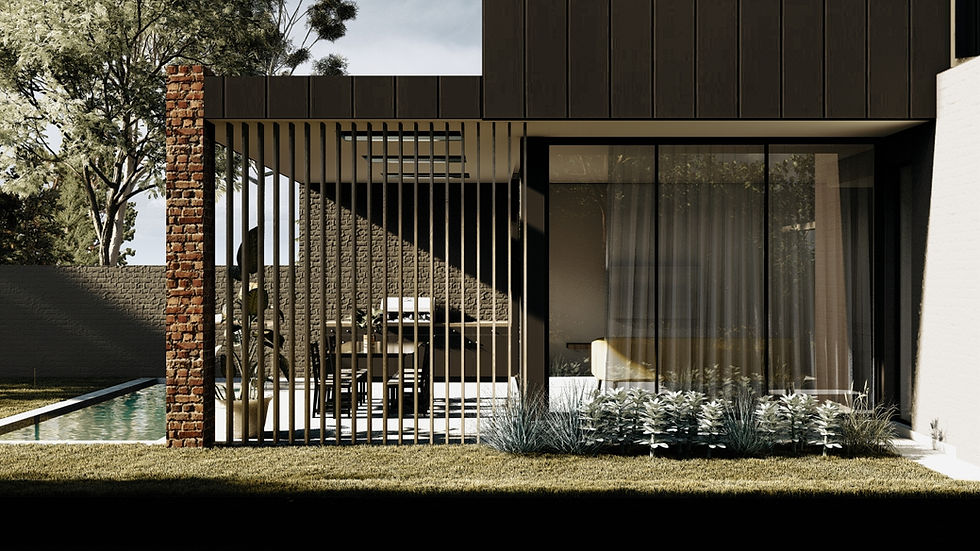
Create shaded outdoor living areas with pergolas or verandas. Use landscaping to provide natural cooling and privacy.
These strategies help you build a home that works with Sydney’s environment, not against it.
Practical Tips for Implementing Sustainable Design in Your Project
To make your sustainable home design a reality, consider these actionable tips:
Work with Experienced Designers
Collaborate with architects or designers who understand sustainable building practices and Sydney’s local conditions.
Set Clear Sustainability Goals
Define what sustainability means for you - energy efficiency, water savings, low carbon footprint - and communicate this clearly.
Use Energy Modelling Tools
These tools simulate your home’s energy use and help optimise design choices before construction.
Prioritise Quality Over Quantity
Focus on well-designed, efficient spaces rather than simply increasing size.
Incorporate Renewable Energy
Solar panels, solar hot water systems, and battery storage can significantly reduce your home’s environmental impact.
Plan for Future Adaptability
Design flexible spaces that can adapt to changing needs or technologies over time.
Engage with Local Regulations and Incentives
Sydney has specific building codes and sustainability targets. Ensure your design complies and take advantage of any available support.
By following these steps, you can confidently navigate the design and construction process while staying true to sustainable principles.
Embracing Sustainable Living in Your Sydney Home
Sustainability is more than just design - it’s a lifestyle choice that starts at home. By integrating sustainable home principles, you create a space that nurtures wellbeing and respects the environment. Whether you’re building new or renovating, every decision counts.
Explore options for energy-efficient appliances, water-saving fixtures, and eco-friendly materials. Consider how your home’s layout and landscaping can reduce energy use and enhance comfort. Remember, sustainable home design is a journey, and each step brings you closer to a healthier, more resilient home.
If you want to learn more about sustainable home design options tailored to Sydney’s unique environment, check out sustainable home design sydney for expert guidance and inspiration.
By embracing these principles, you’re not only investing in your home’s future but also contributing to a greener Sydney for generations to come.
Comments